
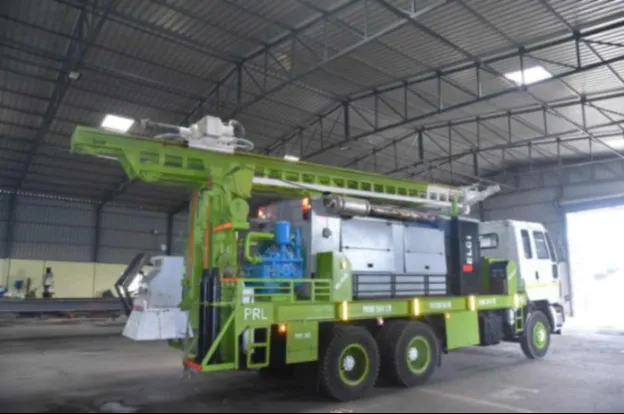
Choosing drilling equipment is rarely as simple as comparing prices and specifications. A contractor may have a clear project target, but factors such as terrain, drilling depth, transportation, power requirements, and maintenance can significantly influence the final equipment choice. For this reason, understanding what to look for in a portable water drilling machine can help businesses make more practical and informed investment decisions.
Portable systems have become increasingly useful for groundwater projects because they combine mobility with drilling capability. However, not every machine is designed for the same operating conditions. A careful evaluation can help contractors select equipment that delivers dependable performance throughout its working life.
Consider Drilling Depth And Capacity
Drilling depth is one of the most important technical factors to evaluate. Buyers should consider both the expected depth of current projects and the possibility of future requirements.
Selecting equipment with adequate capacity provides greater operational flexibility. A machine that can handle a broader range of drilling depths may allow a contractor to accept different types of projects without purchasing additional equipment.
Evaluate Power And Hydraulic Performance
Power systems have a direct effect on drilling performance. Buyers should examine engine capacity, hydraulic efficiency, operating pressure, and the machine’s ability to maintain stable performance under demanding conditions.
Efficient hydraulic systems provide the controlled power required for drilling operations while supporting smoother machine movement. Strong performance in this area can contribute to improved drilling consistency and reduced operational interruptions, making a reliable portable water drilling machine a practical choice for varied project conditions.
Check Operator Controls And Usability
Equipment performance depends partly on how easily operators can control and manage the machine. Complicated controls can increase training requirements and make field operations more difficult.
Modern drilling systems increasingly feature organized control layouts and monitoring features that help operators understand machine conditions during operation.
Understand Supplier Support
The relationship with a supplier can have a long-term impact on equipment ownership. Buyers should look beyond the machine itself and evaluate the level of technical assistance available before and after purchase.
Experienced drilling machine suppliers can help contractors understand machine specifications, operating capabilities, maintenance requirements, and suitable applications. Their technical knowledge can make equipment selection more accurate.
Consider Equipment Versatility
Project requirements can change over time. A contractor who currently focuses on one type of groundwater project may eventually expand into other drilling applications.
Versatile equipment can support this growth by offering multiple operating configurations or compatibility with different drilling tools. This flexibility can increase the number of projects a business is able to undertake.
Review Safety And Reliability Features
Safety should remain central to equipment selection. Buyers should examine emergency controls, machine stability, operator protection, visibility, and other safety-related features.
Reliable equipment also contributes to safer operations because unexpected mechanical failures can create unnecessary risks in the field.
Conclusion
Choosing drilling equipment requires a practical assessment of project conditions, machine capacity, mobility, power, build quality, maintenance, usability, safety, and long-term ownership costs. A careful evaluation helps contractors select equipment that matches real operating requirements rather than focusing only on initial price or individual specifications.
As businesses continue looking for dependable and adaptable groundwater drilling solutions, Prime Rigs remains part of the industry’s evolving equipment landscape by supporting solutions designed by reliable drilling machine suppliers to meet changing project and operational needs.