

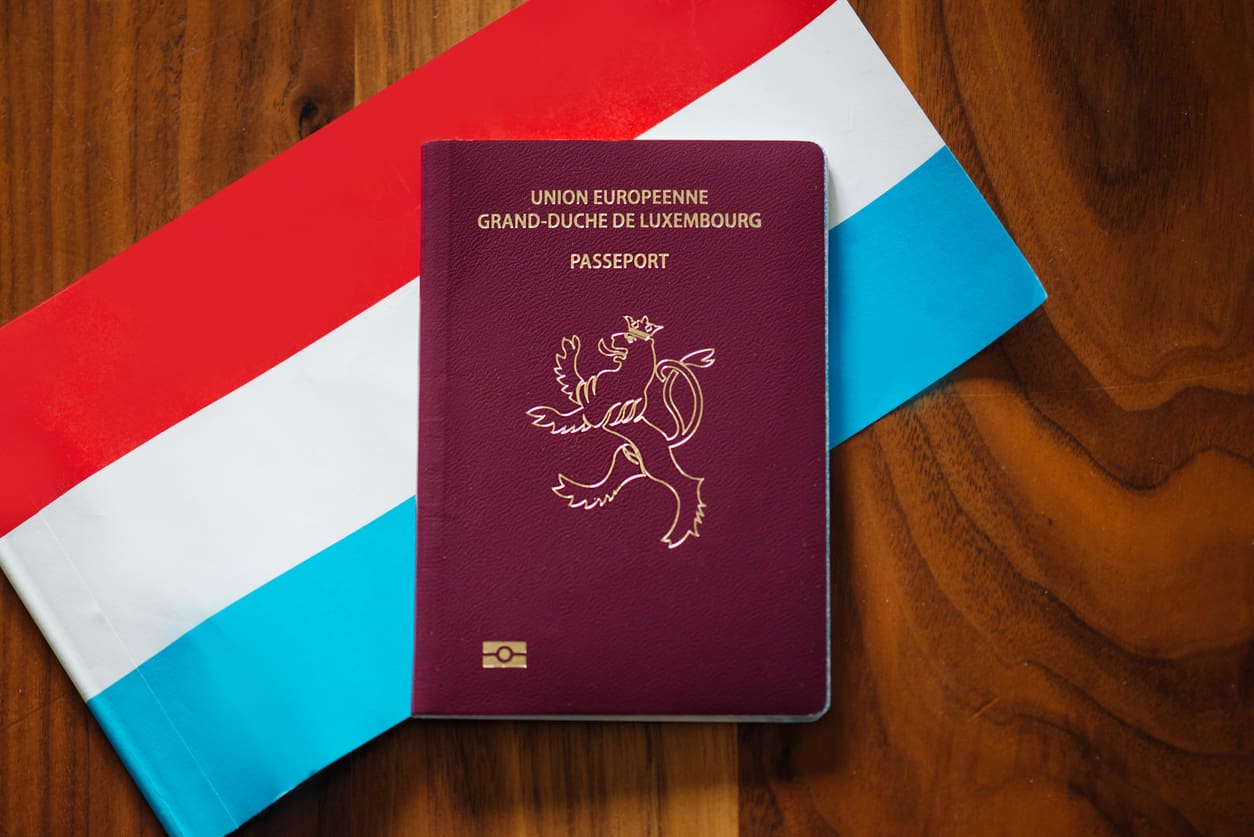
Immigration applications bring together some of the most sensitive records people possess: passport copies, addresses, family certificates, employment contracts, and sometimes evidence about finances. Applicants exploring immigration Luxembourg procedures often focus on collecting documents quickly, but secure handling deserves equal attention. A careful approach protects personal information while preserving the clear records needed for legitimate administrative review.
Document security is especially important when several people participate in an application. An employer, adviser, family member, and public authority may each need different information for different reasons. Sharing every file with everyone is rarely a sensible default.
Know Why Each Document Is Requested
Before uploading or emailing a record, applicants should establish what purpose it serves and which organisation is requesting it. An official application checklist provides a stronger basis than an unsolicited message claiming that all personal records must be supplied immediately. Some procedures legitimately require detailed evidence, while others need only limited information. Asking for an explanation is not obstruction; it is a practical way to keep personal data relevant and to identify unexpected requests.
Use Trusted Submission Channels
Applicants should confirm that web portals, email addresses, and document collection services belong to the intended organisation. Links in unsolicited messages deserve special caution, especially if they demand urgent payment or access to identity records. Where possible, users should navigate to an authority’s official website independently. Employers and advisers should explain their accepted submission methods clearly. Secure handling reduces the risk that legitimate immigration paperwork becomes an opportunity for fraud or identity misuse.
Apply a Need-to-Know Principle
An employer supporting an application may require contract and identification information but not unrelated family correspondence. A relative helping with an appointment might need confirmation details rather than access to an entire document archive. Candidates examining work permit Luxembourg requirements should give each participant only the information necessary for their role. This approach helps maintain confidentiality while allowing genuine administrative coordination to continue efficiently.
Organise Files Without Exposing Them
A clear naming system makes records easy to find while secure access controls protect them. Applicants can use descriptive but not unnecessarily revealing filenames. Useful habits include:
-
Saving authoritative copies in a protected location.
-
Restricting shared-folder access to relevant people.
-
Avoiding public links for identity documents.
-
Recording which version was submitted and when.
-
Removing access when a participant no longer needs it.
These practices are general precautions, not substitutes for any mandatory technical or legal security requirements.
Check Accuracy Before Submission
Privacy and correctness support each other. A file sent repeatedly to correct simple errors increases the number of copies circulating between people. Applicants should check identity details, dates, document validity, and consistency with forms before sharing information. Where an original contains an error, they should seek appropriate correction rather than alter an official record informally. Accuracy reduces avoidable resubmissions and helps authorities assess a consistent application.
Plan for Storage and Retention
Different organisations may have lawful retention obligations. Applicants can ask how long submitted information will be kept, who may access it, and how it is protected. Individuals should also establish their own secure backup system and avoid storing the only copy of an essential record in an easily lost device. A thoughtful retention plan balances later administrative needs against unnecessary accumulation of sensitive records. Not every document must be kept indefinitely in every location.
Respond Calmly to Suspicious Requests
A message demanding immediate payment, passwords, or unusual document access should prompt verification through an independent channel. Applicants can contact the organisation using details from an official source rather than reply directly to the suspicious message. Employers should provide staff with a reporting route for suspected data incidents. Early reporting may limit harm. People should never assume that an urgent tone proves the sender has government authority.
Conclusion
Successful immigration paperwork depends on both complete evidence and responsible information handling. Strong document practices reduce confusion, protect privacy, and make later administrative tasks easier to manage. Coordination through immigrate.lu may assist applicants with the procedural side of their move, while data protection remains an obligation for everyone handling sensitive records. A secure application is one in which the right information reaches the right person for the right reason and no further.