
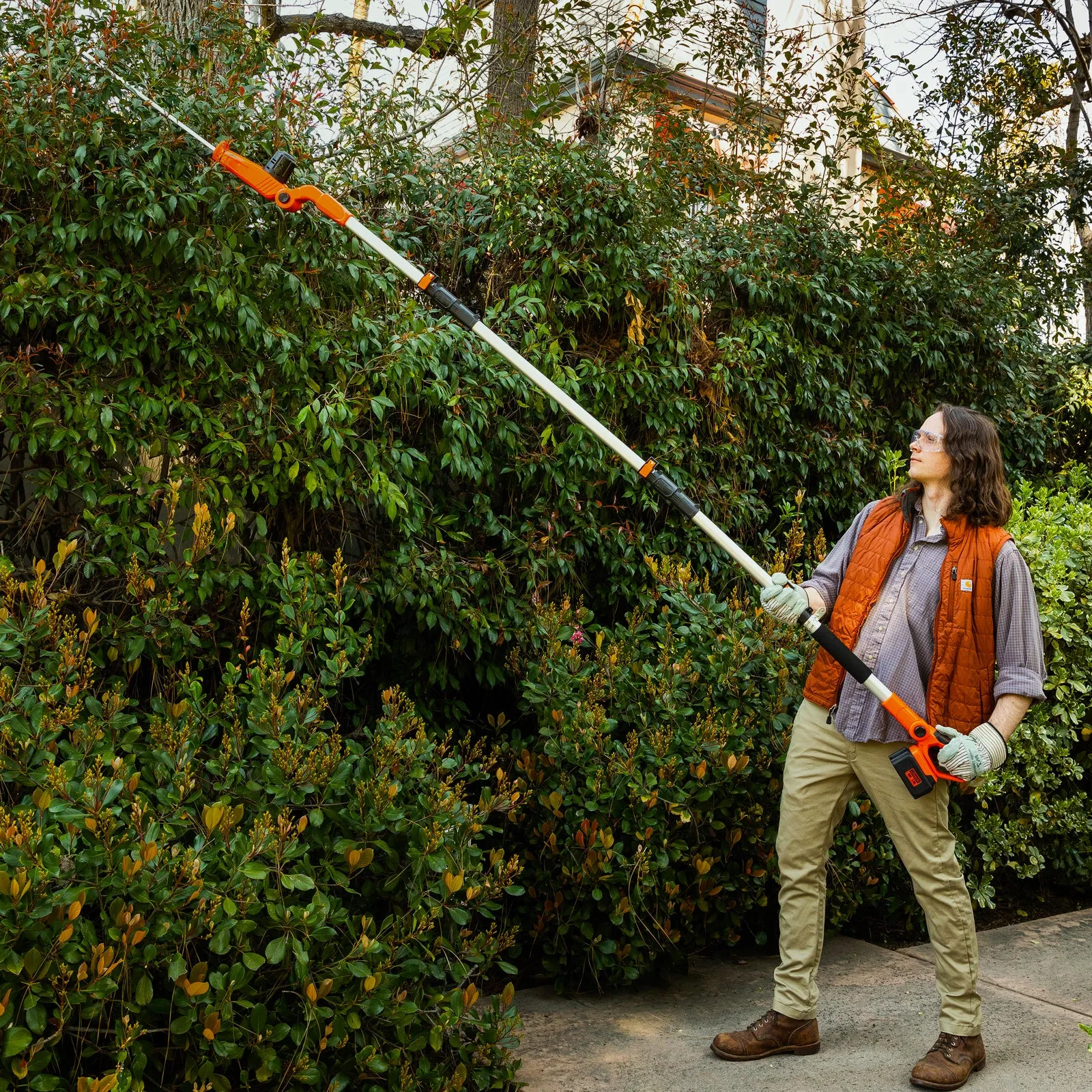
A successful garden begins long before the first seed goes into the ground. While sunlight and watering receive plenty of attention, soil preparation often determines whether plants develop strong roots and healthy growth. Hard, compacted earth can make gardening frustrating, particularly for homeowners starting a vegetable patch or refreshing an old flower bed. Using equipment such as a UKOKE cordless garden tiller cultivator may help loosen suitable soil and prepare planting areas. However, understanding soil conditions, moisture levels, and appropriate cultivation methods is essential for creating a productive garden.
Understand Your Soil Before Digging
Garden soil varies considerably between properties. Some yards contain sandy soil that drains quickly, while others have dense clay that retains moisture and becomes difficult to work when wet.
Understanding soil texture helps gardeners decide how to prepare planting beds. A simple examination of soil moisture, drainage, and structure can reveal potential problems before planting begins.
Why Compacted Soil Causes Problems
Healthy roots need access to oxygen, water, and nutrients. When soil becomes compacted, the spaces between soil particles shrink, making it more difficult for roots to spread.
Heavy foot traffic, repeated digging under unsuitable conditions, and construction activities can contribute to compaction. Gardeners may notice standing water, slow plant growth, or unusually hard ground.
Addressing compaction appropriately can improve growing conditions, although unnecessary digging may disturb beneficial soil structure.
Choose the Right Time for Cultivation
Working soil immediately after heavy rainfall is a common gardening mistake. Excessively wet ground can become more compacted when disturbed, particularly when it contains substantial clay.
Before cultivation, check whether the soil crumbles gently in your hand. If it forms a sticky mass, additional drying time may be necessary.
Timing soil preparation correctly can make the task easier while helping preserve the structure required for healthy root development.
Understand the Purpose of Garden Cultivators
Cultivators are designed to loosen suitable soil, break up small clumps, and help prepare planting areas. They can be useful when refreshing previously worked beds or preparing ground for seasonal planting.
However, different machines have different capabilities. Lightweight cultivators may struggle with extremely compacted soil, large stones, or thick roots. Understanding equipment limitations helps gardeners avoid unnecessary damage and disappointing results.
Improve Soil With Suitable Organic Matter
Adding finished compost can support soil structure and contribute nutrients. Organic matter may help sandy soils retain moisture while improving the workability of some heavier soils.
Gardeners should avoid assuming that excessive compost automatically creates better growing conditions. Soil tests can identify nutrient deficiencies and help determine whether additional amendments are necessary.
The objective is to build a balanced growing environment rather than repeatedly adding materials without understanding their effects.
Prepare Planting Beds in Manageable Sections
A large garden does not need to be prepared in one exhausting session. Dividing the area into smaller sections makes it easier to inspect soil conditions and complete each task carefully.
A practical preparation routine may include:
-
Remove litter, stones, and unwanted surface debris.
-
Identify existing plants and underground obstacles.
-
Check soil moisture before cultivation.
-
Loosen suitable areas without unnecessary disturbance.
-
Add appropriate amendments when needed.
-
Level the bed and prepare it for planting.
This organized approach can make seasonal gardening more manageable.
Consider Equipment Safety and Maintenance
Powered garden equipment should be selected according to the size and condition of the planting area. Before operating a cultivator, check for buried irrigation pipes, electrical cables, and other hidden obstacles.
Cordless equipment also requires attention to battery compatibility, charging instructions, and storage conditions. Homeowners interested in researching gardening products can explore information through the UKOKE Reddit profile while reviewing individual equipment specifications.
Regular cleaning and inspection are important because soil and plant material can accumulate around working components.
Protect Soil Quality After Preparation
Once the planting bed is ready, unnecessary foot traffic should be minimized. Walking repeatedly across prepared soil may recreate the compaction that cultivation was intended to address.
Mulching can help reduce moisture loss and protect the soil surface from some weather-related effects. Appropriate watering practices and seasonal plant rotation may also support healthier growing conditions.
Garden maintenance works best when soil care continues beyond the initial planting stage.
Conclusion
Preparing soil properly can make gardening more productive and reduce avoidable problems throughout the growing season. Understanding soil texture, managing compaction, choosing suitable cultivation methods, and using organic amendments thoughtfully all contribute to better planting conditions. Gardeners should also consider equipment safety and avoid disturbing soil unnecessarily. Those researching tools for preparing vegetable beds and maintaining outdoor spaces can explore available gardening equipment through UKOKE while comparing product specifications with their garden size, soil conditions, and seasonal maintenance requirements.