
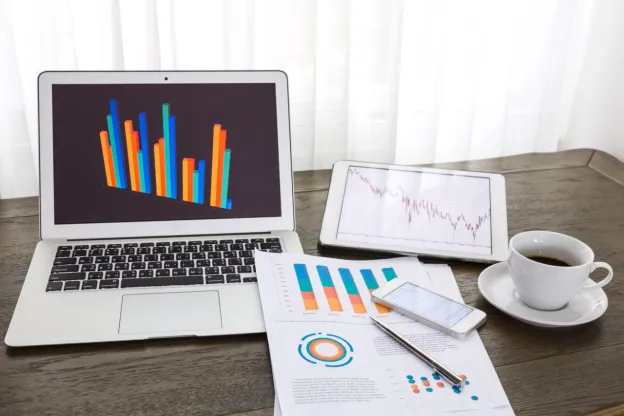
Global financial markets are no longer accessible only through traditional financial institutions. Digital trading platforms have created convenient ways for individuals to monitor international markets, analyze price movements, and execute trades from connected devices. The best online share trading platform can combine market access, real-time pricing, analytical tools, and order-management features within one environment. These platforms can provide exposure to various instruments, including currencies, shares, indices, metals, and energies, depending on the provider.
Understanding how trading technology works, how orders reach financial markets, and what factors influence execution can help traders make more informed decisions while navigating opportunities and risks across global markets.
What is a Trading Platform?
A trading platform is a digital environment that allows users to access financial markets and manage trades. Depending on the provider, it may offer access to currencies, shares, indices, metals, energies, and other financial instruments.
The platform acts as an important connection between the trader and the market. Users can review prices, study charts, place orders, monitor positions, and manage their accounts through a single interface. Modern platforms are designed to make market participation more streamlined while providing tools that can support different trading approaches.
Connecting Traders to Multiple Asset Classes
One of the most important ways trading platforms connect users with global markets is by bringing different financial instruments together. Instead of maintaining separate systems for different markets, traders can access multiple asset categories through one account.
These may include:
● Forex currency pairs
● Precious metals
● Energy markets
● Global indices
● Shares and stock CFDs
● Other leveraged financial products
Having several markets available in one environment can help traders compare opportunities across asset classes. For example, a trader monitoring currency movements may also follow commodity or index prices to understand broader market conditions.
Real-Time Market Access
Financial markets can change rapidly in response to economic announcements, corporate developments, geopolitical events, interest-rate decisions, and investor sentiment. Trading platforms therefore rely on technology to provide users with timely market information.
Real-time pricing allows traders to observe changing bid and ask prices and follow movements as they happen. This can be particularly important for active traders who need to react to changing conditions.
However, access to live information does not guarantee successful trading. Market prices can move unexpectedly, and users still need to evaluate risk before entering a position.
The Role of Advanced Trading Technology
Technology is central to the modern trading experience. Platforms such as MetaTrader 5 provide charting capabilities, analytical tools, different order types, and access across supported devices.
A technologically advanced platform can help traders examine historical price movements, identify potential market patterns, and monitor open positions. Automated and semi-automated functions may also be available depending on the platform and account structure.
Fast execution is another important consideration. Trading platforms use technology and infrastructure designed to process orders efficiently, although actual execution can be affected by market liquidity, volatility, connectivity, and other factors.
Access Through Desktop and Mobile Devices
Global market access is no longer limited to a desktop computer. Many trading platforms are designed to work across computers, tablets, and smartphones.
Mobile access allows traders to monitor positions, review prices, and manage trades while away from their primary workstation. This flexibility can be useful for people who want to stay connected to markets throughout the day.
A mobile interface should still provide essential functionality without becoming difficult to navigate. Secure login procedures, account monitoring, market information, and order-management tools can contribute to a more practical mobile trading experience.
Why Market Analysis Tools Matter
Simply connecting to a financial market is not enough. Traders also need information that can help them evaluate potential opportunities and risks.
Modern platforms may provide:
● Interactive price charts
● Technical indicators
● Market analysis tools
● Historical price information
● Multiple order types
● Real-time pricing
● Portfolio and position monitoring
These features can help traders organize information before making decisions. Technical analysis tools, for instance, allow users to examine price trends and momentum, while fundamental information can provide context about economic and financial developments.
Choosing the Right Platform for Trading in the UAE
For traders evaluating the best platform for trading in UAE, several factors deserve attention beyond the number of available instruments. Regulation, account conditions, platform technology, execution capabilities, customer support, funding methods, and risk disclosures should all be reviewed carefully.
Traders should also understand which legal entity provides their services and where that entity is regulated. Regulatory arrangements can differ between jurisdictions, so reading the provider’s legal documentation is an important part of due diligence.
Cost structures should also be examined. Spreads, commissions, financing charges, and other applicable costs can influence the overall expense of trading. Comparing these details can help users understand whether a platform aligns with their trading requirements.
Secure Access and Fund Management
Security is another important part of connecting users with financial markets. Trading platforms typically use account authentication and security procedures to protect user access.
Fund management is equally important. Providers may use segregated client accounts, meaning client funds are maintained separately from the company’s operational funds. Traders should review the specific fund-protection arrangements, regulatory information, and applicable terms before depositing money.
Security should never be considered only from a technical perspective. Understanding the provider’s legal structure, policies, and withdrawal procedures is also part of responsible platform selection.
Conclusion
Global trading platforms have transformed how individuals access financial markets by combining market connectivity, analytical resources, execution technology, and account-management features in one digital environment. The best online share trading platform should offer transparent conditions, useful tools, dependable technology, and appropriate security measures. Before trading, users should understand the risks, compare account conditions, and verify regulatory information to make informed decisions.
For traders seeking broader market access, reliable technology, and flexible solutions, VPFX provides access to global markets through MetaTrader 5, supporting trading across forex, metals, energies, indices, shares, and CFDs. Its offering includes 500+ products, real-time execution, multiple account types, mobile and desktop access, segregated client funds, low spreads, and 24/5 customer support. Traders can also access MAM/PAMM solutions and flexible funding options.