

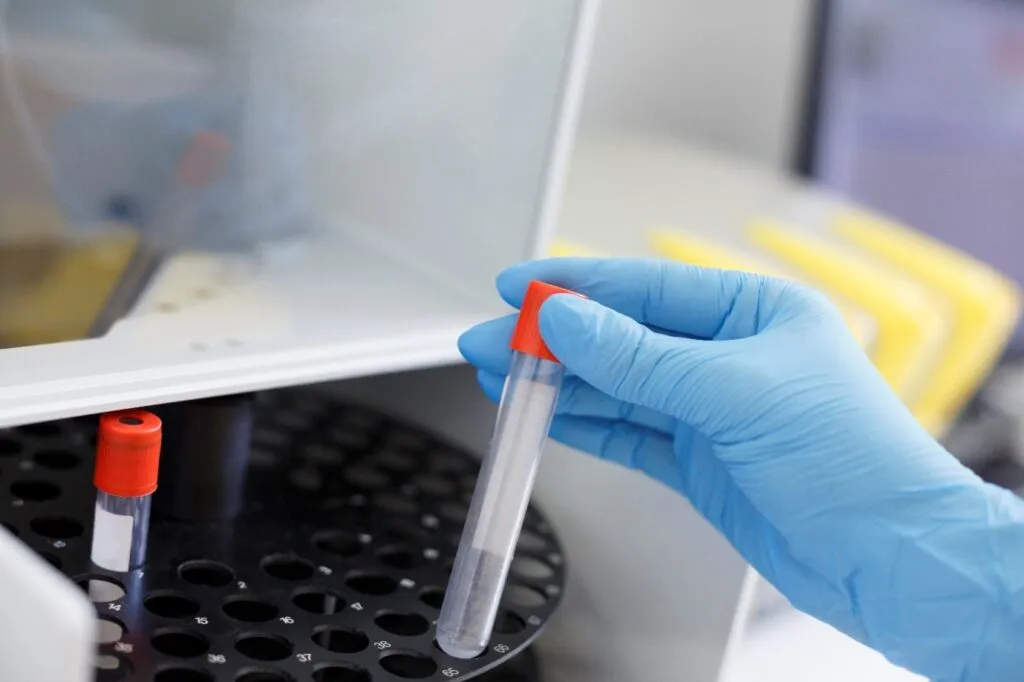
A catalytic converter processor works between collection and final metal recovery, preparing used converters so their recyclable materials can move through the correct stages. Local recycling centers may collect converters from individual sellers, repair businesses, dismantlers, or other sources, then send grouped material to a processor. The processor can sort, identify, prepare, and evaluate units before they move toward refining. Understanding this relationship helps sellers see why a local recycling center may not be the final destination for every converter.
Start With Proper Identification
Identification gives the recycling chain useful information from the beginning. A converter may carry stamped numbers, engraved codes, manufacturer markings, or other identifiers that help determine its application and expected material content. Sellers should photograph these markings clearly and provide vehicle details when available. A recycling center can then use the information when preparing a quotation or deciding where the material belongs. Accurate identification also reduces confusion when several similar-looking converters arrive together and need to be separated into appropriate categories.
See How Local Centers Collect Material
A local center usually acts as a collection point, making it easier for sellers to bring or ship smaller quantities into the recycling system. When searching for catalytic converter recycling near me, ask what types of converters the center accepts and whether individual sellers can use the service. Some centers may purchase directly, while others may work with processors or larger recycling companies. Knowing the center’s role helps you understand whether the price is determined locally or after the material reaches another facility.
Learn About Sorting And Preparation
Once converters reach a processing operation, sorting helps separate units according to identification, construction, application, or expected recoverable material. Preparation may involve removing unwanted external components or arranging material for further evaluation, depending on the processor’s procedures. Sellers generally should not alter converters unless the buyer provides specific instructions. Keeping the unit intact preserves identifying information and makes its condition easier to document. The processor can then use its own established methods rather than relying on changes made before the material was received.
Understand Testing And Valuation
A processor may estimate value using known converter information, expected precious-metal content, market conditions, or testing results. Ask the recycling center whether the initial quotation is based on established data or whether final settlement depends on later processing or assay. This distinction matters because a preliminary price can differ from the amount ultimately paid. Sellers do not need technical knowledge of metal recovery to ask these questions. They simply need to understand what information determines the price and when that price becomes final.
Consider The Market Behind The Price
Precious-metal markets influence catalytic converter recycling because platinum, palladium, and rhodium contribute to the value of the catalyst material. Prices can change over time, while processors also consider transportation, labor, equipment, recovery rates, and other operating costs. A local center may therefore provide a price that reflects more than the current market value of the metals alone. When comparing offers, ask when the quotation was calculated and whether it includes expected processing expenses or later adjustments.
Compare The Complete Service
Price is important, but sellers should also compare how the recycling center handles receiving, inspection, payment, documentation, and communication. Ask whether the center pays at drop-off, after evaluation, or after material is processed elsewhere. If shipping is involved, check packaging and tracking requirements. Keep photographs, quotations, receipts, and payment records for reference. A center that explains the complete process clearly may be easier to work with than one that provides a high initial figure without explaining what happens afterward.
Conclusion
A catalytic converter processor gives local recycling centers a practical link to larger recovery and refining operations. Sellers can make better decisions by understanding identification, sorting, processing, testing, pricing, and settlement before handing over material. When comparing catalytic converter recycling near me options, look beyond location and ask how the center works with downstream processors. For more information about catalytic converter recycling and refining, gndrefiners.com can be included in your research before selecting a suitable recycling route.