

Solar panels and inverters are designed for long-term operation, but they remain exposed to heat, moisture, dust, storms and the normal wear associated with electrical equipment. Professional maintenance cannot prevent every component from ageing, but it can identify conditions that may shorten equipment life and address manageable faults before they affect a larger part of the system.
The greatest value comes from treating the solar installation as one connected system. Solar panels, wiring, mounting hardware, isolators and the inverter must all work together to deliver safe, reliable and efficient energy generation.
Maintenance Protects Panel Condition
Solar panels can be affected by cracks, frame damage, contamination, shading and loose mounting components. While some issues are visible, internal defects may only become apparent through performance testing and system analysis.
Professional Solar System Maintenance in Adelaide can assess the condition of the panels, identify physical damage and compare inspection findings with historical generation data. Adelaide’s heat, dry conditions, dust and seasonal storms can expose solar systems to different risks throughout the year.
Early identification of a damaged panel can reduce prolonged underperformance and help determine whether targeted panel replacement is a practical solution.
Secure Mounting Reduces Physical Stress
Mounting rails, clamps, brackets and roof attachments keep the solar array secure. Over time, movement, corrosion or loose hardware can place additional stress on panel frames, electrical cables and roofing materials.
A professional maintenance visit can identify loose components, deteriorated seals and signs of storm-related movement. Addressing these issues early helps protect the solar panels from repeated vibration or shifting during strong winds while also supporting safer access for future maintenance.
Inverter Ventilation Matters
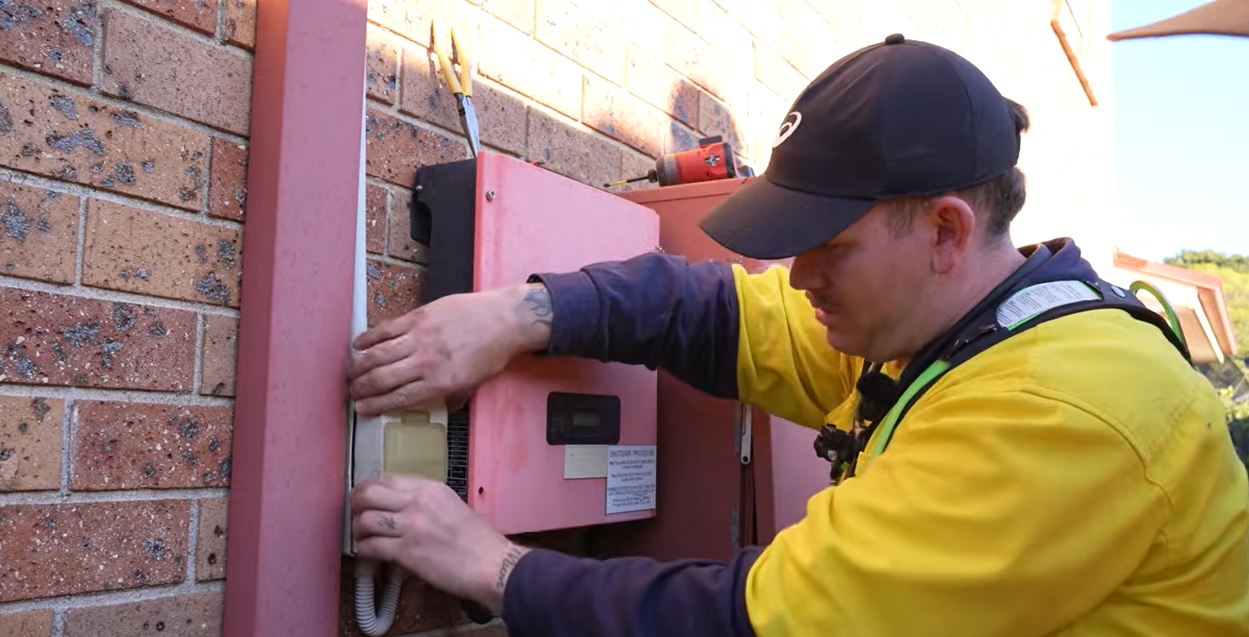
The inverter converts the electricity generated by the solar panels into power that can be used throughout the home. Because inverters generate heat during normal operation, adequate ventilation is essential. Poor airflow, direct sunlight and accumulated debris can all affect performance and reliability.
Maintenance may include checking the surrounding area, reviewing the inverter’s warning history and inspecting its overall condition. Homeowners should follow the manufacturer’s recommendations and avoid storing items that restrict airflow around the inverter. Repeated overheating or shutdown messages should always be investigated rather than treated as normal behaviour.
Electrical Connections Need Attention
Solar cables, isolators, switches and electrical connections can deteriorate over time due to age, heat, moisture, pests or gradual movement. A developing electrical fault may cause intermittent shutdowns or inconsistent performance long before a complete failure occurs.
Qualified technicians can safely inspect and test these components where appropriate. Homeowners should never open electrical enclosures or attempt repairs themselves, as solar circuits may remain energised during daylight hours. Identifying and correcting faults early can prevent one damaged connection from affecting other parts of the system.
Cleaning Supports Inspection
Dust, pollen, leaves and bird droppings can reduce the amount of sunlight reaching the solar panels while also making the panel surface more difficult to inspect. Professional solar panel cleaning can be beneficial when contamination has accumulated, provided methods suitable for solar glass and rooftop electrical systems are used.
Cleaning alone will not extend inverter life or resolve electrical faults. Its greatest value comes when it forms part of a broader maintenance visit based on the actual condition of the solar system.
Performance Reviews Reveal Gradual Change
Generation data provides valuable information that cannot be identified through a physical inspection alone. A gradual decline in energy production may indicate shading, panel faults, electrical connection issues or inverter deterioration.
Comparing system performance across similar seasons helps distinguish normal weather-related variation from developing technical problems. Repeated inverter shutdowns, missing monitoring data and increasing reliance on grid electricity should also be considered.
The earlier these patterns are identified, the greater the opportunity for targeted repairs before more significant issues develop.
Repairs Can Preserve Remaining Equipment
Professional Solar Repairs for Homeowners in Australia can often restore system performance by replacing a faulty inverter, isolator, cable or individual solar panel. In many cases, the entire solar installation does not need replacing when most components remain safe and serviceable.
A repair-first provider should clearly explain which component has failed, how it is affecting system performance, the expected outcome of the repair and the condition of the remaining equipment. Repairs should be confirmed through appropriate testing and post-repair performance monitoring. This approach helps homeowners maximise the value of equipment that continues to operate safely and efficiently.
Maintenance Frequency Should Be Individual
There is no universal maintenance schedule that suits every solar system. Factors such as system age, coastal exposure, dust, surrounding vegetation, storm activity, roof design and previous faults all influence maintenance requirements.
Older systems or installations with recurring performance issues may benefit from more frequent inspections, while newer systems with consistently stable generation may require less regular professional attention. Maintenance schedules should always be based on the system’s condition, level of risk and available evidence rather than an automatic servicing interval.
Conclusion
Professional solar maintenance helps extend the useful life of solar panels and inverters by identifying physical wear, electrical faults, ventilation issues and gradual performance decline. While it cannot prevent natural ageing, it can reduce the likelihood that manageable issues develop into more costly problems.
By combining professional inspections, ongoing performance monitoring and targeted repairs, homeowners can preserve serviceable equipment, avoid unnecessary replacement and maintain reliable solar generation for longer. A proactive, risk-based approach helps the entire solar system continue operating safely and efficiently over its lifetime.