
Introduction
In today’s competitive business environment, brands need more than traditional advertising to attract and retain customers. Consumers are constantly exposed to marketing messages across websites, social media platforms, television, and digital channels. As a result, businesses must find creative ways to capture attention and build meaningful relationships. This is why experiential marketing has become a powerful strategy for companies seeking real results.
Experiential marketing focuses on creating memorable interactions that allow customers to engage directly with a brand. Instead of simply promoting products or services, businesses create experiences that encourage participation, emotional connection, and long-term loyalty. Working with a professional experiential marketing agency like FG|PG helps brands develop innovative campaigns that increase awareness, strengthen customer relationships, and achieve measurable business outcomes.
Understanding Experiential Marketing
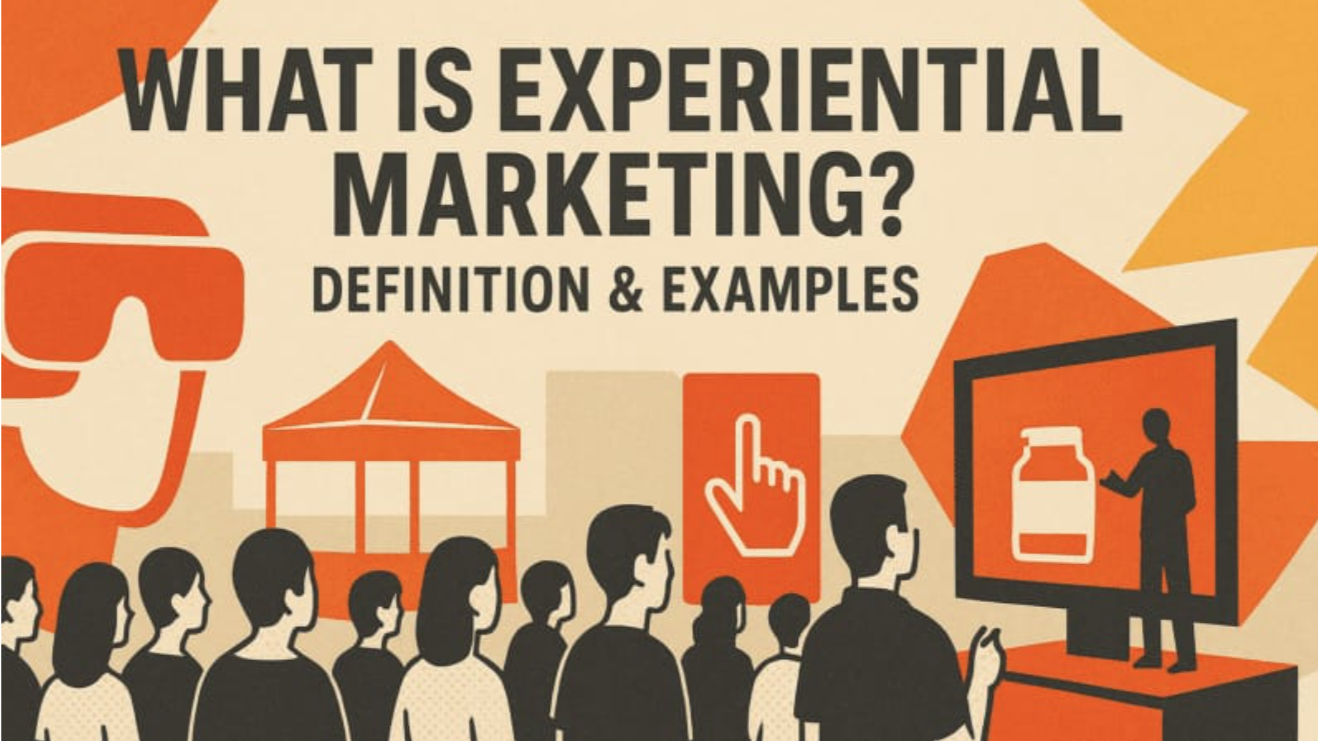
Experiential marketing is a customer-focused approach that creates immersive experiences designed to connect people with brands. These experiences can happen through live events, interactive demonstrations, digital campaigns, product launches, and community activities.
The goal is to transform customers from passive audiences into active participants. When people interact with a brand personally, they are more likely to remember it, trust it, and recommend it to others.
Successful experiential marketing campaigns combine creativity, strategy, technology, and customer insights to deliver meaningful experiences that support business objectives.
Why Experiential Marketing Delivers Results
Traditional advertisements often communicate information, but experiential marketing creates memories. People are more likely to remember a brand when they have personally interacted with it.
Businesses use experiential marketing because it helps achieve several important goals:
- Increase brand awareness
- Build customer trust
- Improve engagement
- Generate leads
- Encourage social sharing
- Increase sales opportunities
- Strengthen customer loyalty
By focusing on customer experiences rather than simple promotion, brands can create deeper connections with their audiences.
Technique 1: Interactive Product Demonstrations
One of the most effective experiential marketing techniques is allowing customers to experience products firsthand.
Interactive demonstrations help customers understand product benefits, features, and value before making purchasing decisions.
Examples include:
- Live product testing
- Hands-on demonstrations
- Free trials
- Expert-guided experiences
- Interactive displays
When customers can explore a product directly, they develop greater confidence and are more likely to complete a purchase.
Technique 2: Creative Brand Activations
Brand activations are designed to create direct interactions between consumers and businesses.
Successful activations may include:
- Pop-up experiences
- Promotional events
- Interactive installations
- Themed experiences
- Customer challenges
The key to successful brand activation is creating something unique that encourages participation and conversation.
A memorable activation can increase brand recognition while generating valuable customer engagement.
Technique 3: Immersive Technology Experiences
Technology has transformed the possibilities of experiential marketing.
Brands now use advanced tools to create highly engaging customer experiences.
Popular technologies include:
Virtual Reality
Virtual reality allows customers to explore products, environments, or services through immersive digital experiences.
Augmented Reality
Augmented reality adds digital elements to real-world environments, helping customers visualize products in new ways.
Artificial Intelligence
AI helps brands personalize experiences by analyzing customer preferences and delivering relevant interactions.
Mobile Technology
Mobile applications and QR-based experiences make it easier for customers to participate and continue engagement after events.
These technologies make campaigns more interactive and memorable.
Technique 4: Storytelling-Based Experiences
Strong storytelling is essential for creating emotional connections.
Instead of focusing only on product features, brands should communicate their mission, values, and purpose through experiences.
Storytelling-based campaigns allow customers to become part of the brand journey.
For example, a company can create an experience that highlights its history, innovation, sustainability efforts, or customer success stories.
When customers connect emotionally with a story, they are more likely to remember and support the brand.
Technique 5: Personalized Customer Experiences
Modern consumers expect personalization. Generic marketing messages often fail to create meaningful connections.
Experiential marketing allows brands to customize experiences based on customer interests and preferences.
Personalization strategies include:
- Customized product recommendations
- Personalized event invitations
- Tailored demonstrations
- Individual customer consultations
- Exclusive experiences
Personalized interactions make customers feel valued and increase satisfaction.
Technique 6: Social Media Integration
Social media can significantly increase the impact of experiential marketing campaigns.
Brands can encourage attendees to share experiences through:
- Branded hashtags
- Photo opportunities
- Interactive content
- Online contests
- Live event coverage
When customers share their experiences, they help promote the brand to wider audiences.
User-generated content is especially valuable because people often trust recommendations from real customers more than traditional advertisements.
Technique 7: Community Engagement Campaigns
Community-focused experiences help brands build stronger relationships while demonstrating social responsibility.
Examples include:
- Charity events
- Educational workshops
- Environmental initiatives
- Local partnerships
- Community festivals
These activities allow brands to connect with customers on a deeper level by showing genuine commitment beyond commercial goals.
Community engagement can improve brand reputation and encourage long-term loyalty.
Technique 8: Product Launch Experiences
Launching a new product through an experiential campaign can create excitement and increase market awareness.
Effective product launch experiences may include:
- Exclusive preview events
- Live demonstrations
- Influencer participation
- Interactive displays
- Customer testing opportunities
These campaigns create anticipation while allowing customers to experience the product before purchase.
Technique 9: Data Collection and Customer Insights
Experiential marketing provides valuable opportunities to collect customer information and feedback.
Businesses can learn more about their audiences through:
- Surveys
- Event registrations
- Customer conversations
- Digital engagement tracking
- Product feedback sessions
These insights help companies improve future campaigns, products, and services.
How FG|PG Creates Results-Driven Campaigns
As a trusted experiential marketing agency, FG|PG helps brands design strategic campaigns that create meaningful customer interactions.
The agency combines creativity, market knowledge, and audience insights to develop experiences that align with business goals.
FG|PG provides services including:
- Brand activation planning
- Event strategy
- Product launch experiences
- Interactive campaigns
- Retail activations
- Community engagement programs
- Digital and hybrid experiences
- Campaign performance measurement
By focusing on both creativity and measurable results, FG|PG helps businesses transform customer interactions into valuable growth opportunities.
Measuring Experiential Marketing Success
To understand campaign effectiveness, businesses should track important performance indicators.
Common measurements include:
- Event attendance
- Customer engagement levels
- Social media activity
- Website traffic
- Lead generation
- Product trials
- Sales conversions
- Customer feedback
- Brand awareness
- Return on investment (ROI)
Data analysis allows brands to improve future campaigns and maximize marketing performance.
Common Mistakes to Avoid
While experiential marketing can deliver impressive results, poor planning can reduce effectiveness.
Businesses should avoid:
- Creating experiences without clear goals
- Ignoring audience research
- Focusing only on promotion
- Neglecting customer feedback
- Failing to measure results
- Using technology without purpose
Careful strategy and professional execution are essential for achieving successful outcomes.
The Future of Experiential Marketing
The future of experiential marketing will continue to be shaped by technology, personalization, and changing customer expectations.
Artificial intelligence, immersive technologies, sustainability-focused campaigns, and hybrid experiences will create new opportunities for brands to connect with consumers.
Companies that invest in meaningful experiences will be better positioned to build loyalty, increase engagement, and remain competitive.
Conclusion
Businesses today need more than traditional marketing methods to create lasting customer relationships. Experiential marketing provides a powerful way to engage audiences through memorable, interactive, and authentic experiences.
From product demonstrations and immersive technology to storytelling and community engagement, these techniques help brands achieve real results by increasing awareness, improving loyalty, and driving sales.
Partnering with a professional experiential marketing agency like FG|PG allows businesses to develop innovative campaigns that connect with customers and deliver measurable growth. As competition continues to increase, brands that prioritize meaningful experiences will have a stronger advantage in building long-term success.