

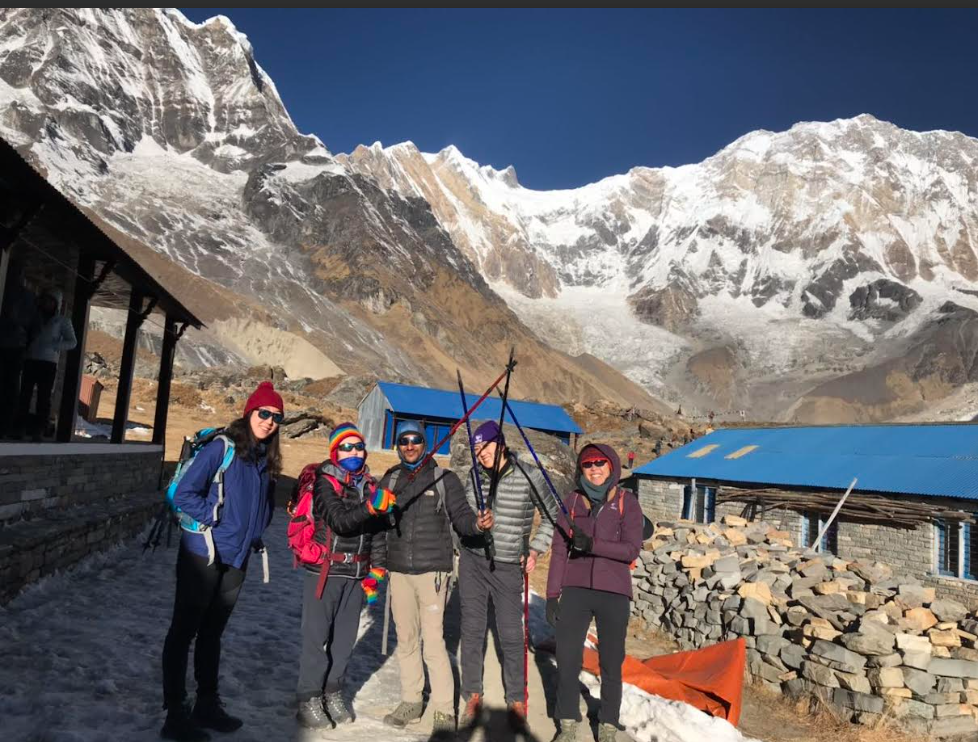
There is a peculiar silence that happens above 4,000 meters. It is not just an absence of city noise. It is a stripping away of the static. The ping of notifications, the murmur of endless meetings, the self-generated buzz of worry that fills a leader’s mind. Up there, the world winnows down to elemental things. The rhythm of your breath. The crunch of boots on trail. The vast and indifferent beauty of rock and sky.
For an entrepreneur or a CEO, this is not an escape. It is a strategic recalibration.
We speak often of stepping back to gain perspective, but we rarely mean it literally. We take a weekend off, only to find our phones buzzing with the same demands. We go on a vacation, but our brains are still running the same tired loops about quarterly targets and personnel issues. The environment has not changed, so the thinking cannot change.
To see your business with truly fresh eyes, you must change your entire sensory and mental input. You must go somewhere that demands your full presence. That is the unexpected professional value of a place like Nepal. It is the ultimate off-site retreat precisely because it is so far off the grid.
The journey itself is a masterclass in focus and delegation. When you are on a remote trail, your daily to-do list becomes profoundly simple and utterly non-negotiable. Hydrate. Navigate the next stretch of path. Listen to your body. There is no room for multitasking. This forced simplicity has a way of clarifying what is essential. The mental clutter that felt so urgent back at the office begins to seem like just that. Clutter. Many leaders find that their single best idea, the solution to a problem that has plagued them for months, arrives not in a brainstorming session but during a long, quiet walk with no distractions.
Then there are the lessons in resilience and systems, written into the landscape. You walk through villages where life is built on adaptability and community. You see supply chains operating on sheer human ingenuity, where every resource is accounted for and nothing is wasted. You are led by Sherpa guides whose expertise is a quiet, powerful lesson in trust and specialized skill. You are not just a tourist observing this. You are a participant within a system that works, with a clear goal and a proven process to get there. The parallels to building a strong, mission-driven company are everywhere, if you are looking.
This experience does not happen by accident. It requires a conscious choice to engage with the place, not just pass through it. That is where the structure of a guided trek becomes invaluable. A reputable operator acts as your strategic partner in disconnection. They handle the intimidating logistics, the permits, the safety protocols. They provide the expert local guidance. Your only job is to walk, to observe, and to let your mind reset.
A reputed trekking company like Glorious Himalaya, for instance, specializes in this kind of intentional journey. They understand that for a business leader, the trip is not a checklist of sights. It is the creation of the mental and physical space where insight can occur. By removing every operational friction, they allow you to fully commit to the experience of being offline and out of your depth in the best possible way.
You return different. The clarity is the most immediate gift. Problems seem more defined, their solutions more obvious. But there is also a renewed sense of scale. The pressures of your business are real, but against the backdrop of the Himalayas, they regain a sense of proportion. You remember that stamina often beats speed, that the right team is everything, and that the path forward is always taken one deliberate step at a time.
So consider this not as a holiday, but as an investment in your most important asset. Your perspective. Sometimes, to see the roadmap clearly, you need to stand on a mountain and look at everything from a very great height. The silence you find there might just tell you exactly what you need to hear.